
Appreciating native plants
A few years ago, I read a thought-provoking book, which kick-started a new and exciting trend in my gardening. Scanning my bookshelves, it looks like the book fell prey to the cycles of downsizing that go with my age-group. Nevertheless, I am thankful for its impact as its emphasis has added a new dimension to my gardening. I started out growing mostly daylilies because I liked them and had gradually grown a small collection. But the author pointed out that pollinators get limited use from blossoms of plants that are not native to a general area. Over the millennia, they have adapted to feeding and breeding on certain plant species and pollinators can’t just switch to the pretty things originally from other continents that you and I import from our favorite garden shops on a whim.
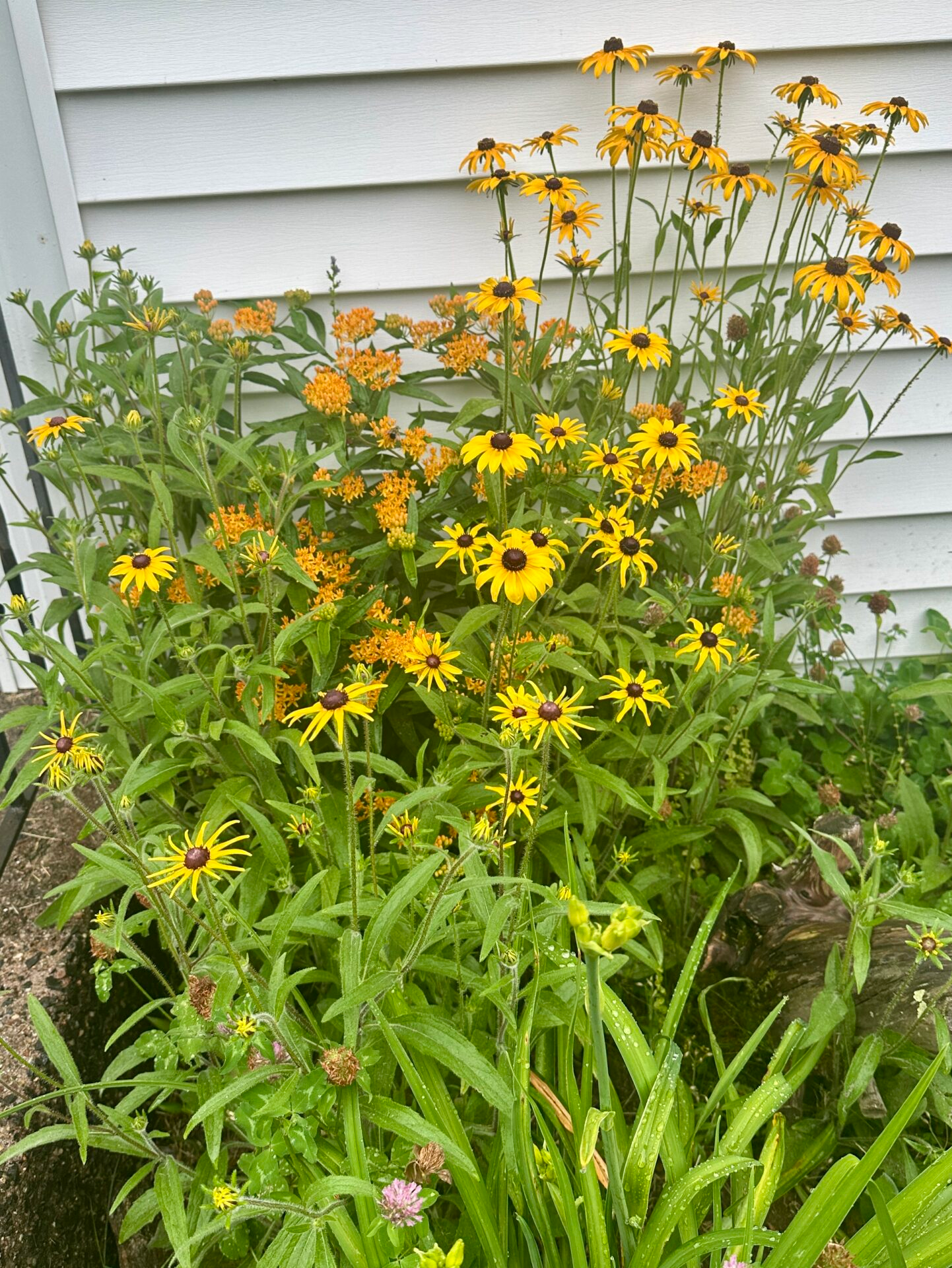
Soon after that revelation, I hit a serendipitous jackpot. A large ash tree had been cut down on our lot and dumped some black composed content out of a large cavity onto my side lawn. A while later, I noticed as I mowed that there was a plant growing there that looked like the brown-eyed susans that grew in the fields when I was a child. So I mowed around it. It soon confirmed my suspicions and I joyfully let it go to seed right where it was. It rewarded me as several such plants grew the following year. I began transplanting them into my gardens. Now I have wild brown-eyed susans all over my flowerbeds.
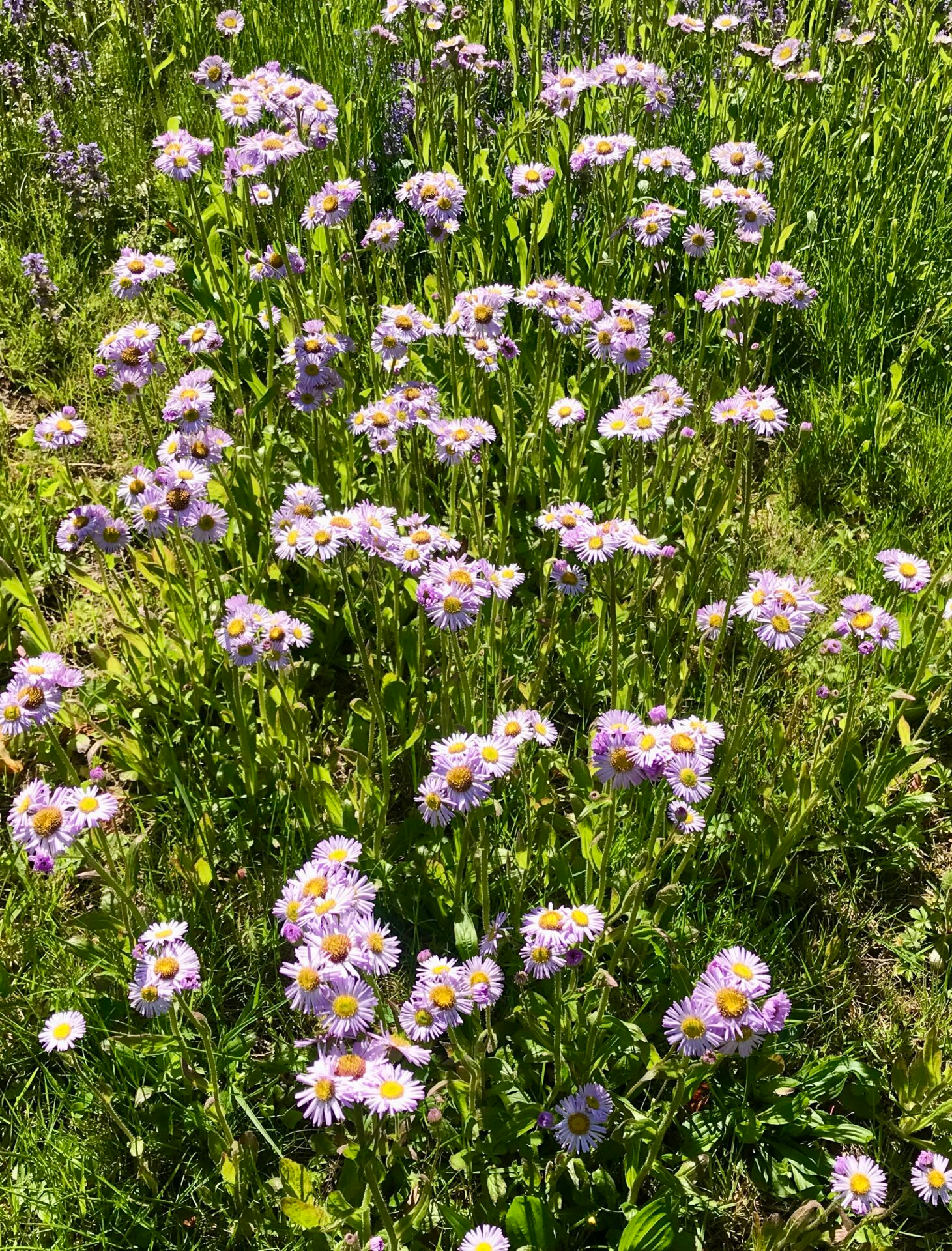
As a result of the book, I also became a no-mow-May person. I’m sometimes a little slow getting the mower ready anyway so it works for me. Plus, much to my delight, my lawns have a generous supply of Philadelphia fleabane which is about two feet high with a cute dainty daisy-like bloom. And it’s pink, a color my granddaughter loves. It blooms in mid-May and goes to seed about the first week in June. I take care to leave some patches until about the second week in June to enable them to seed the lawn for next year as the plant is an annual.
Seeing the unusual ones
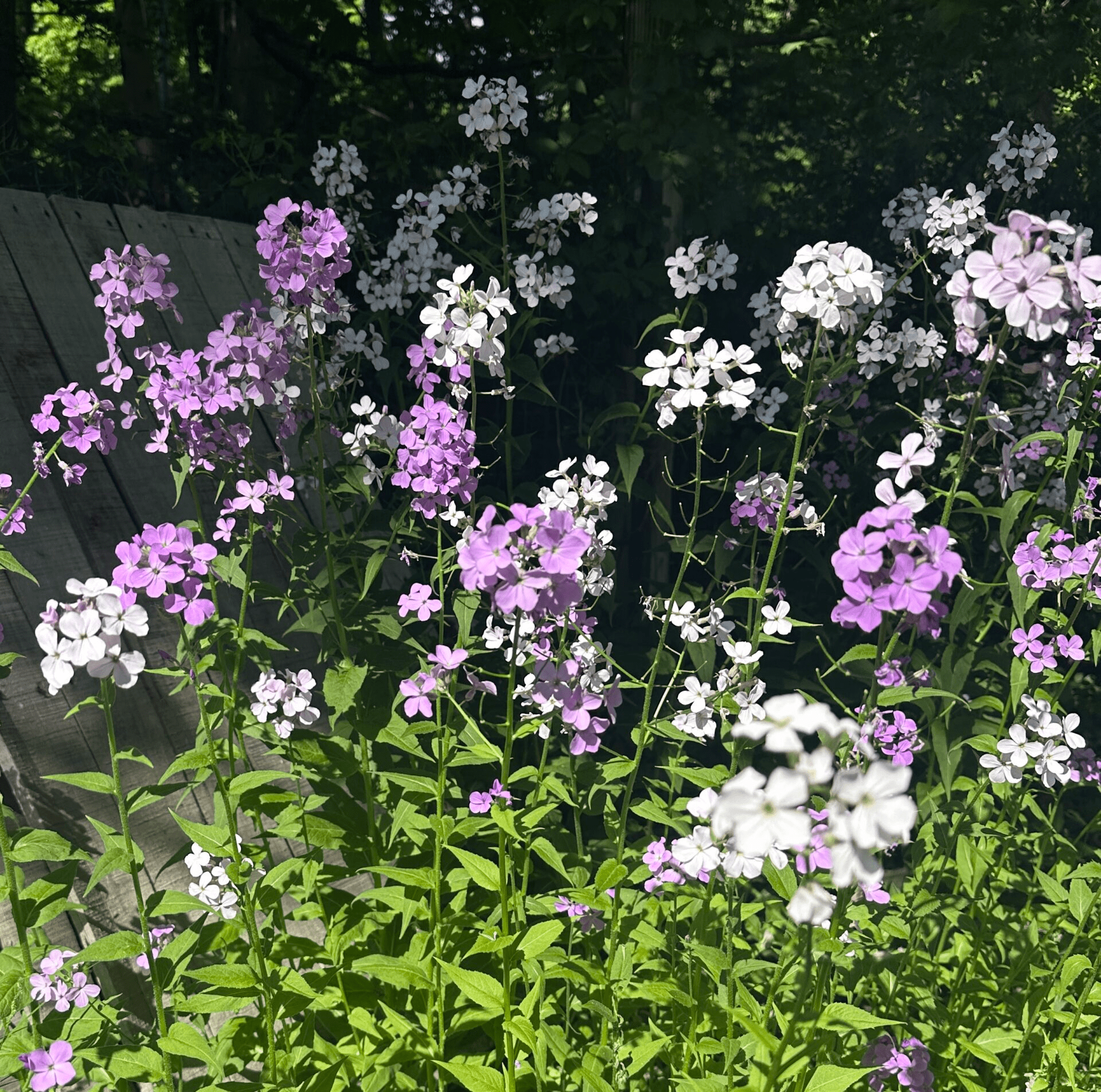
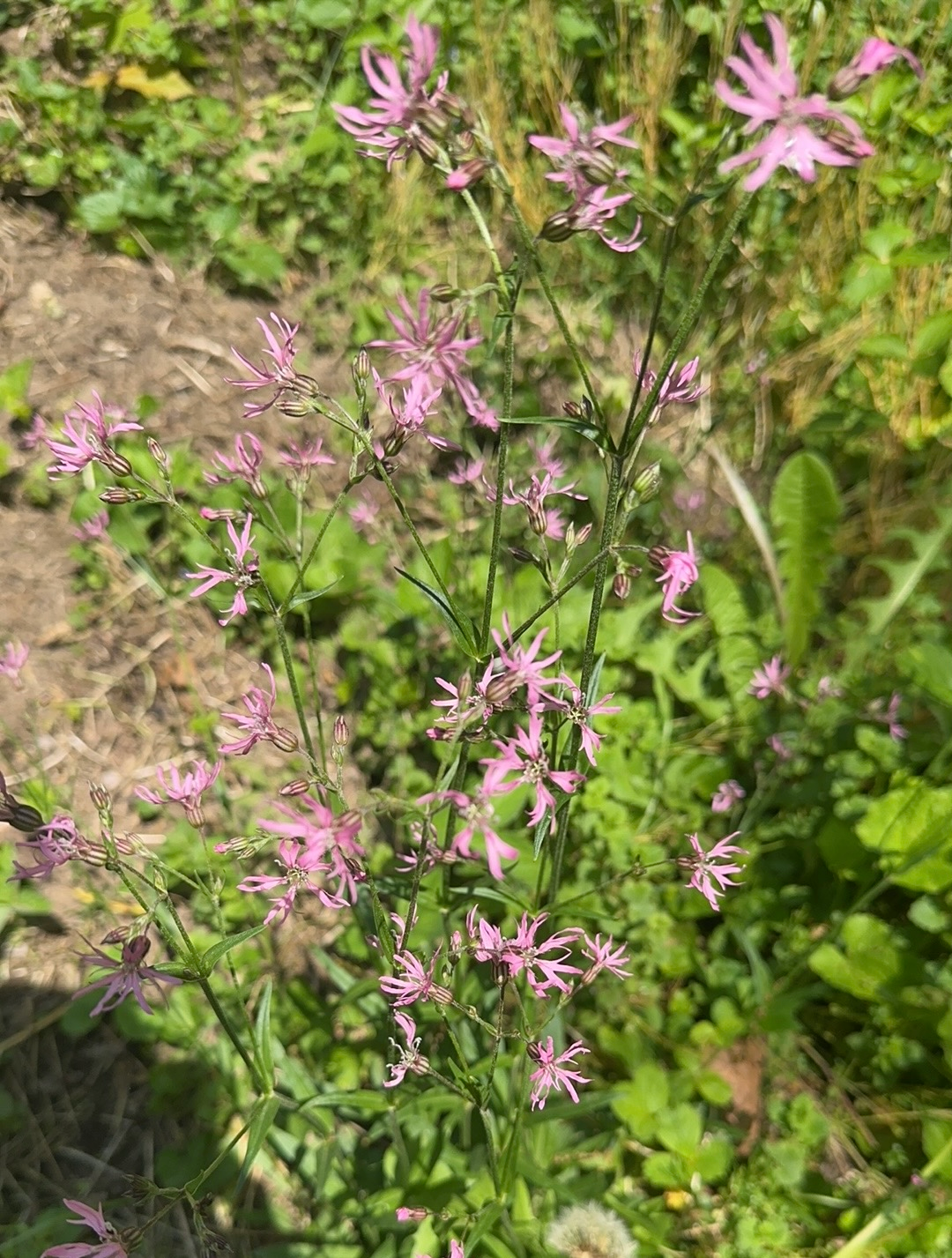
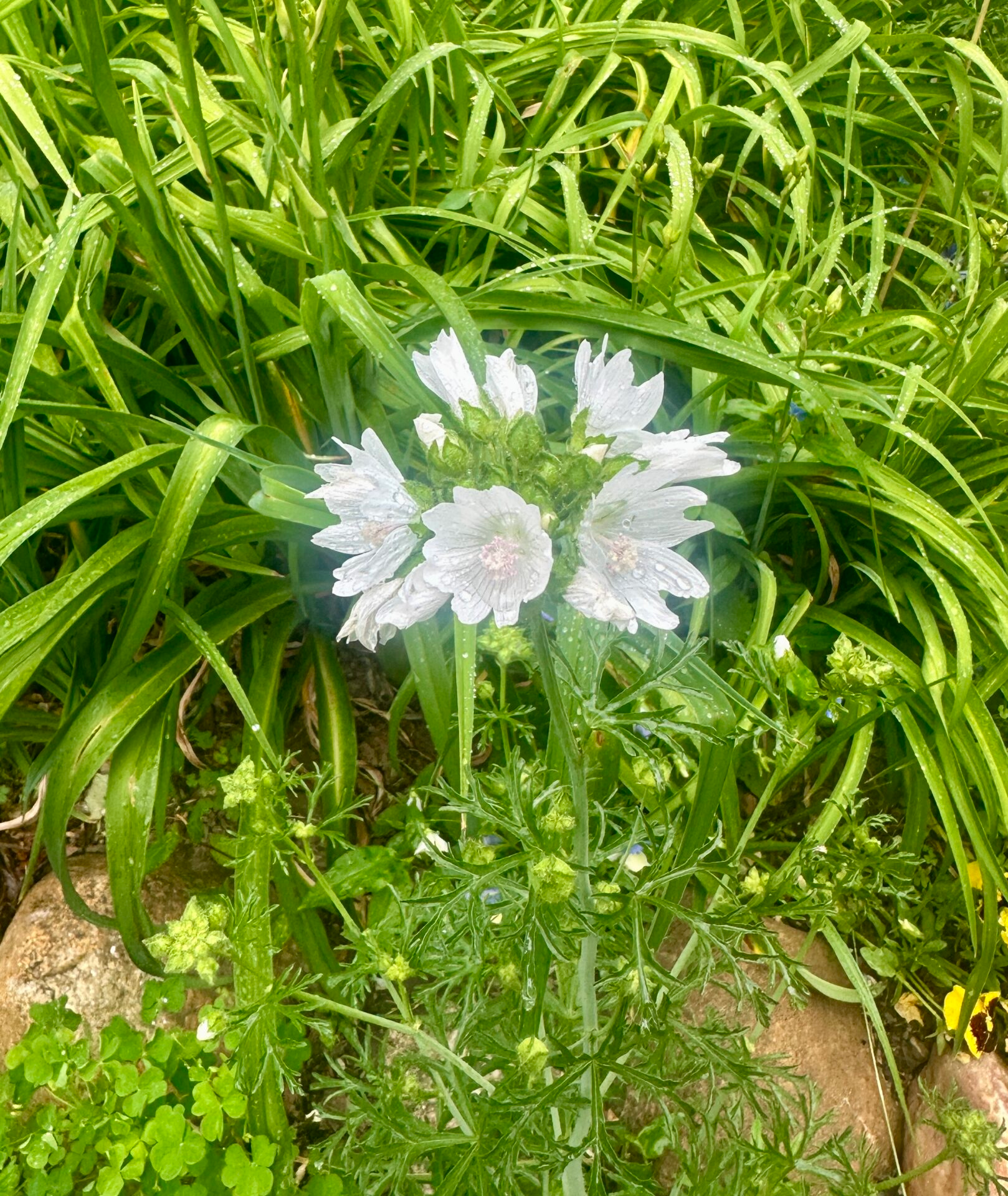
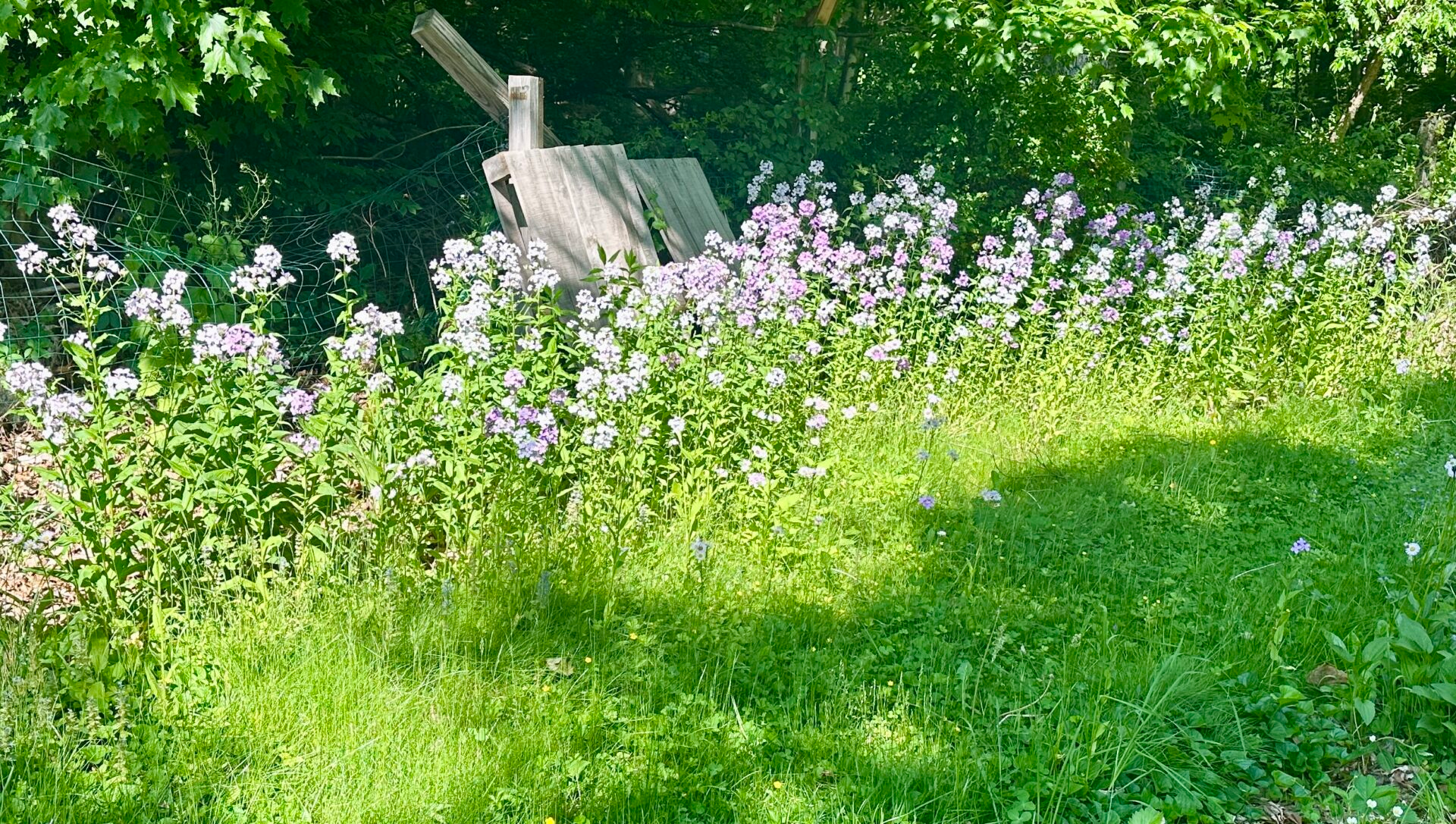
Unfortunately, most of the time the unusual weed flowers get pulled. They are not what we are weeding around and we don’t recognize them quickly, so out they go. But I learned long ago that the difference between a weed and a flower is all in the eye of the beholder. For example, in my gardens, rudbeckia, which cost money to acquire, gets weeded out constantly. I have too much of it in too many places. But some things people call weeds, I cultivate. I mow around the wild phlox and weed around the delicate pink Ragged Robin. Yes, I have pulled some phlox out of my flower beds, but I have a beautiful hedge of wild phlox left too. I have even experimented with allowing wild white geranium to grow, It starts blooming in that empty time slot after bulb flowers and just before daylilies. It has a pretty white flower, and finely lobed foliage that contrasts with daylily leaves. But it also seeds itself where I don’t want it, has a stubborn tap root, and can become oversized. So that one is a toss-up.
Saving money with plant volunteers
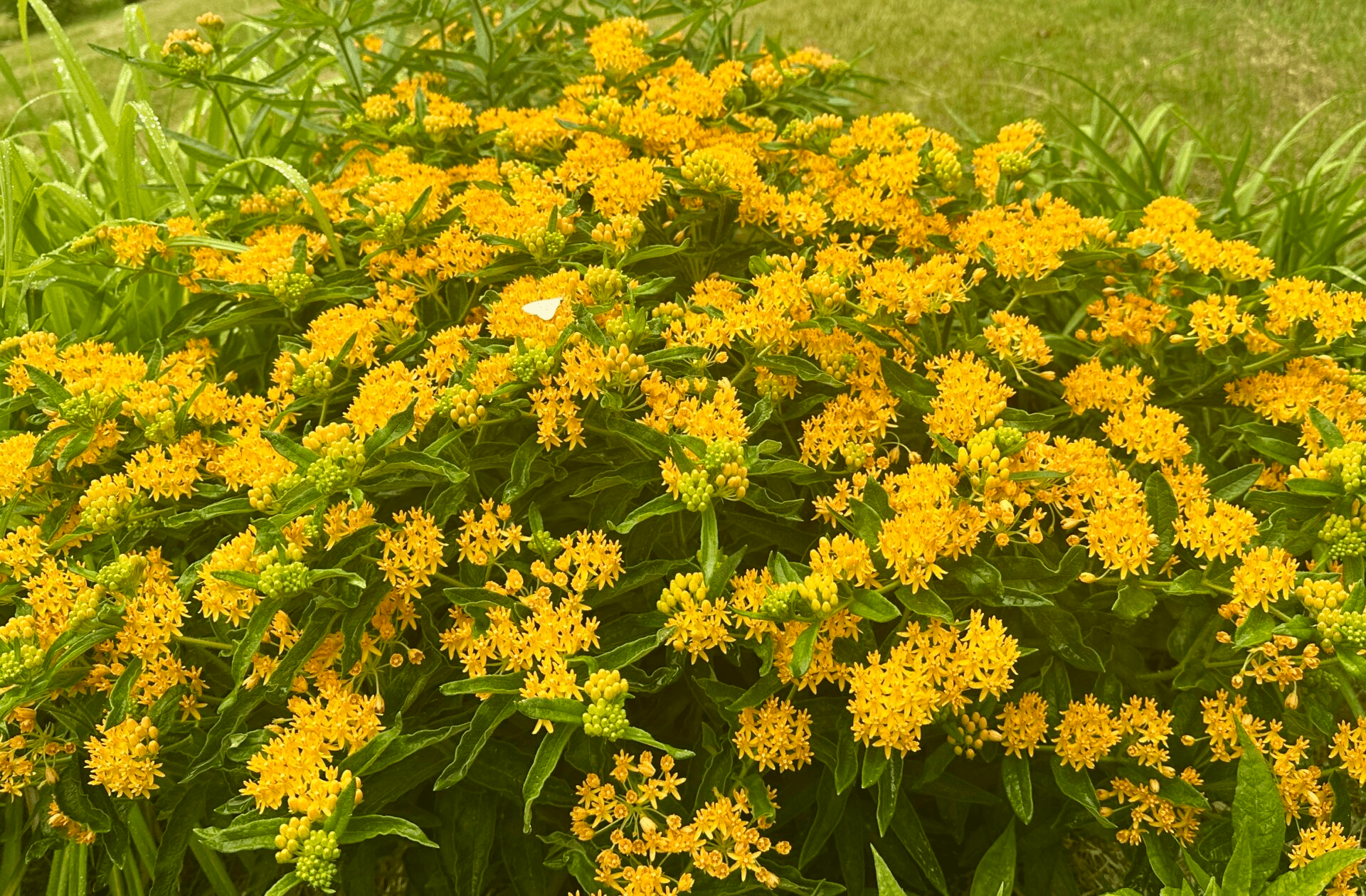
Both with daylilies and wild plants, I am always on the lookout for volunteer plants. Rather than depending completely on purchases, cooperating with nature this way saves money and helps fill the gardens. One of my first purchases as I began to plant natives among my daylilies was butterfly weed. Fortuitously, I planted it in a very well drained, even dry spot, which it loved. It seeded itself generously. But I learned that if I wanted to move a butterfly weed, I needed to do so when it was very young as it is a tap-root plant. The root quickly outgrows my ability to shovel below it. Then the transplant does not thrive as well. But by moving very young ones and letting the seeded ones grow wherever I can, I now have lots of them. And the pollinators thrive on them. I have helped raise a few monarch butterflies too as butterfly weed is a host plant.
Noticing what plants like your micro environments
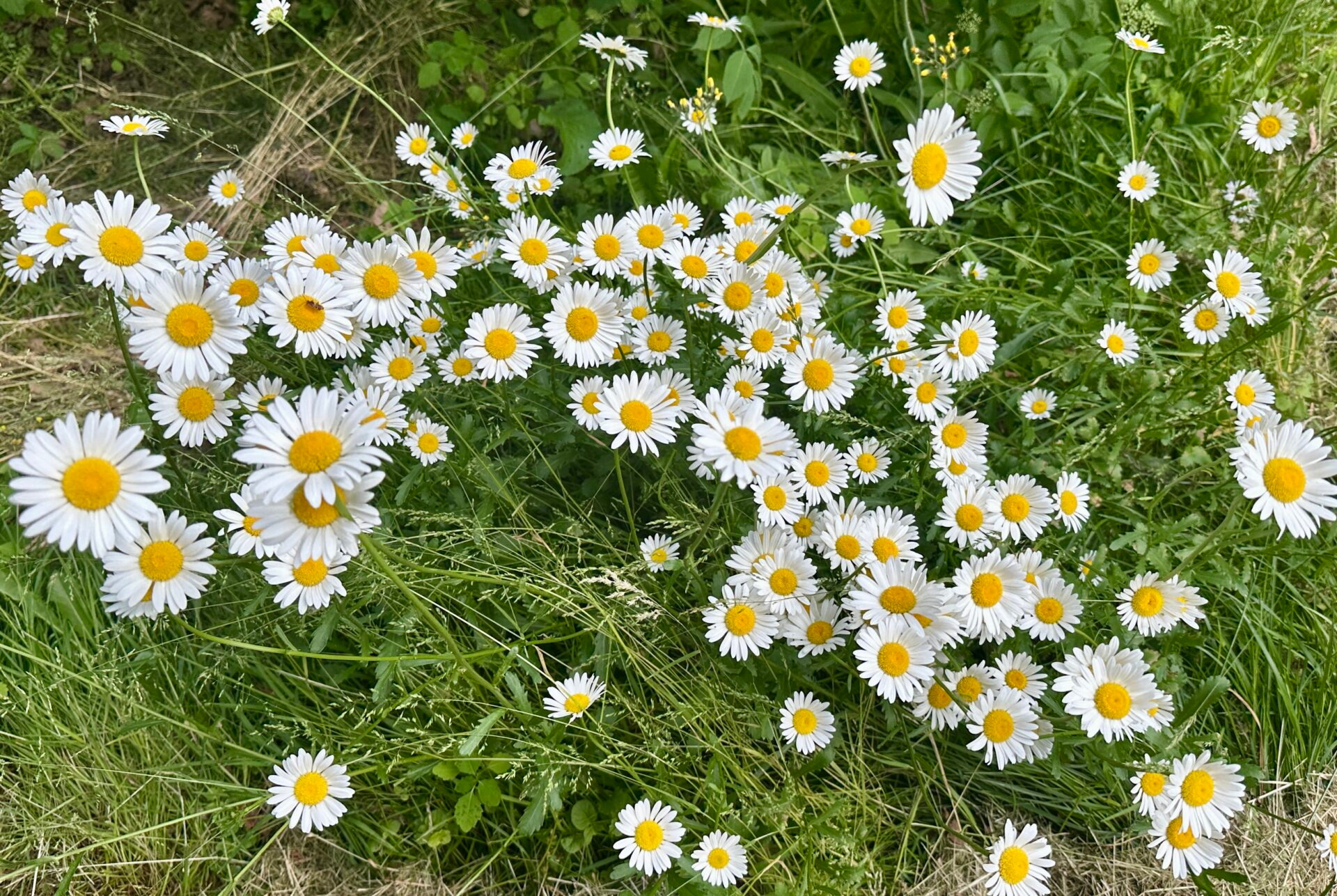
Soon after I moved to CT, I noticed a patch of wild daisies in the lower lawn. I mowed around them because I remembered them from childhood. But after reading that book, I tried transplanting some of them into my gardens. So far that project has not met with great success. I think it is because they were originally growing in a damper and more sunny spot. I transplanted to a dryer and shadier spot. Noting which micro-environment works for a particular plant is a key part of gardening success, especially with natives as they often occupy an environmental niche.
Overall, adding native plants to my gardening has added a great deal of interest and beauty. I am constantly learning more and looking things up. You would be surprised at the plants that we assume are natives that are not. For example, I learned just this year that buttercups and both white lawn clover and red clover are not native. But on the other hand, wild phlox and wild geranium both are. Growing natives in my gardens also gives me the satisfaction of knowing that I am helping pollinators along the way, another way to cooperate with nature and a worthwhile goal in itself.