This article was reprinted in the Hartford Courant from the Washington Post. It is excellent both in content and in spirit. We need to realize that those who follow the values of the Bible are now more clearly than ever a minority culture in our own country. Moore’s challenge to the church to take its role of living its values with integrity more seriously is right on.
A corollary to this idea is that we need to cooperate more closely in the public sphere with Catholics and mainline Mormons whose family values are the same as those of conservative Protestants because they are drawn from the Bible.
As you know, I like to walk. When I walk, I look for beauty and joy. Today, on vacation, I walked out toward the beach, there was a wild yellow daisy flower in bloom in the sand dunes. It was beautiful! I learned by online research that its name is beach dune daisy (Helianthus debilis). Finding beauty in unexpected places is a habit I try to cultivate. When such a serendipity happens, it always makes me philosophical too because I think the experience confirms one of my maxims for life.
“Always be looking for and appreciate unexpected sparks of joy!”
One’s approach to a walk is a clue to how you live
I’ve observed in this regard that one can learn much about a person’s approach to life from the way they approach a trail walk.
I meet some people who are always walking with friends. That tells me that they are people-persons who are energized as much by the conversation as by the walk. I bet they appreciate connectedness in other areas of life too.
Other walkers and runners are always alone. There might be many reasons but at the very least they don’t mind being alone. More probably, like me, they relish it as a time for thinking or just drinking in from nature or perhaps praying, as I sometimes do. These kind of people find joy in times of quiet.
Some people out on the trails are out more to “get the job done,” the task of getting in their exercise, that is. They usually have earbuds and don’t want to even give you the time of day lest you delay them. I imagine they are very task oriented people in other phases of life as well. I always pity them in a way as they miss so much by seldom stopping to look or listen. I’ve observed that it is hard for very task-oriented people to find a rhythm in life that includes time for contemplation. But they might reply to me that they enjoy the physical high that comes from aerobic exercise.
Have you noticed that people view the conditions for walking differently too.
I comment to some about the day and they will always be enthusiastic about what a great day it is to walk, even on winter days. These have learned to enjoy the moment.
Other people find something wrong on the best of days; they may note the bugs or the heat or the cold or the rough trail or too many bicyclers or doggy dodo or whatever. Though, frankly, those kind are usually not consistent walkers.
There’s a difference in what is appreciated on the walk too.
Some are always observing whatever nature has to offer that day.
Others are not observant of nature at all.
Some may be only looking for deer and so most days they are disappointed as one only very occasionally sees one while on the trail.
Appreciate the joys the moment brings
It’s the same in life. Some are constantly discovering new blessings in different areas of their lives. Other people seem only to be able to focus on troubles; the bugs and poison ivy patches of life seem to be everywhere for them. Still others are looking only for one or two kinds of rewards in life so they are frequently disappointed as usually the kinds of things they look for are infrequent occurrences.
Michael Cannon Loehrer put it this way, “If people only allow their hearts to enjoy what delights them, they will soon become bored most of the time. If we train our hearts to find joy in drudgery, we will rest content with whatever comes our way and our lives will remain on an even keel. Complainers bounce between ever increasing extremes of delight and despair” (From the book “Porch Talk with Gramps on Parenting: A Framework for a Functional Family”).
For example, I love to observe birds. And thankfully spring days like we have been having in May are the peak of the season for that. But not every day or every walk is ideal for bird watching. For example, one day, I forgot the binoculars. Don’t ask me how, but it happened. So I watched for what I could see with the naked eye. I peeked over the bridge over Salmon Creek and thought I saw movement. So I moved to the other side and had the privilege of watching a young mink forage along the edge of the stream for five or ten minutes, a once in a lifetime event. If I had remembered the binoculars I probably would not have looked in the streambed. I chose to enjoy what was available and was rewarded.
Another day it was windy and my walk happened midday, neither of which is best for birding. But the sun was out and so were the reptiles. That day a tree frog hopped across my path and I saw a black snake sunning himself on the edge of the road. I took pictures of both. I chose to watch what was moving and enjoyed the walk more for it. Choosing to look for the joys a moment offers is a great habit to cultivate. As I say:
“Always be looking for and appreciate unexpected sparks of joy!”
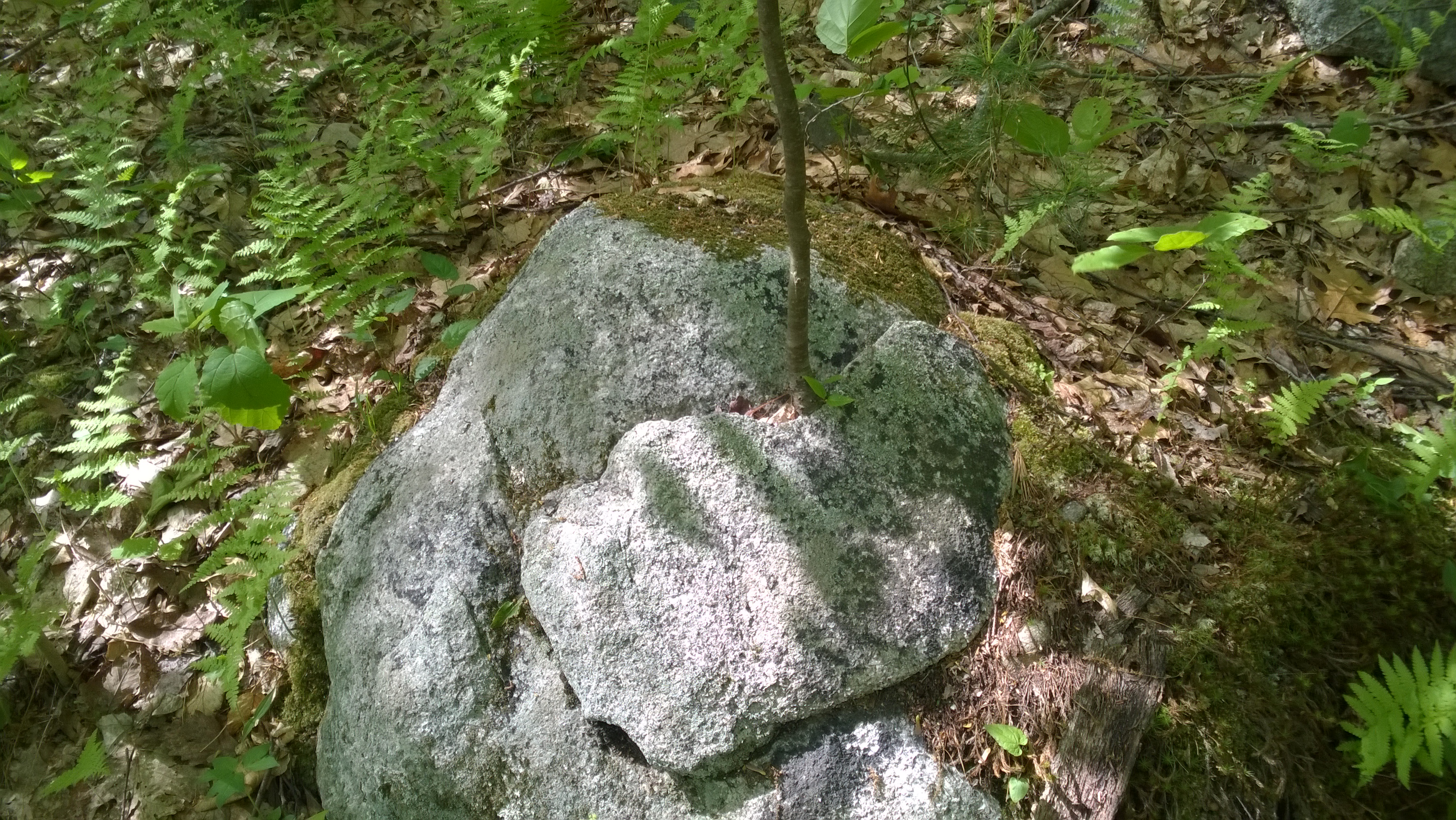
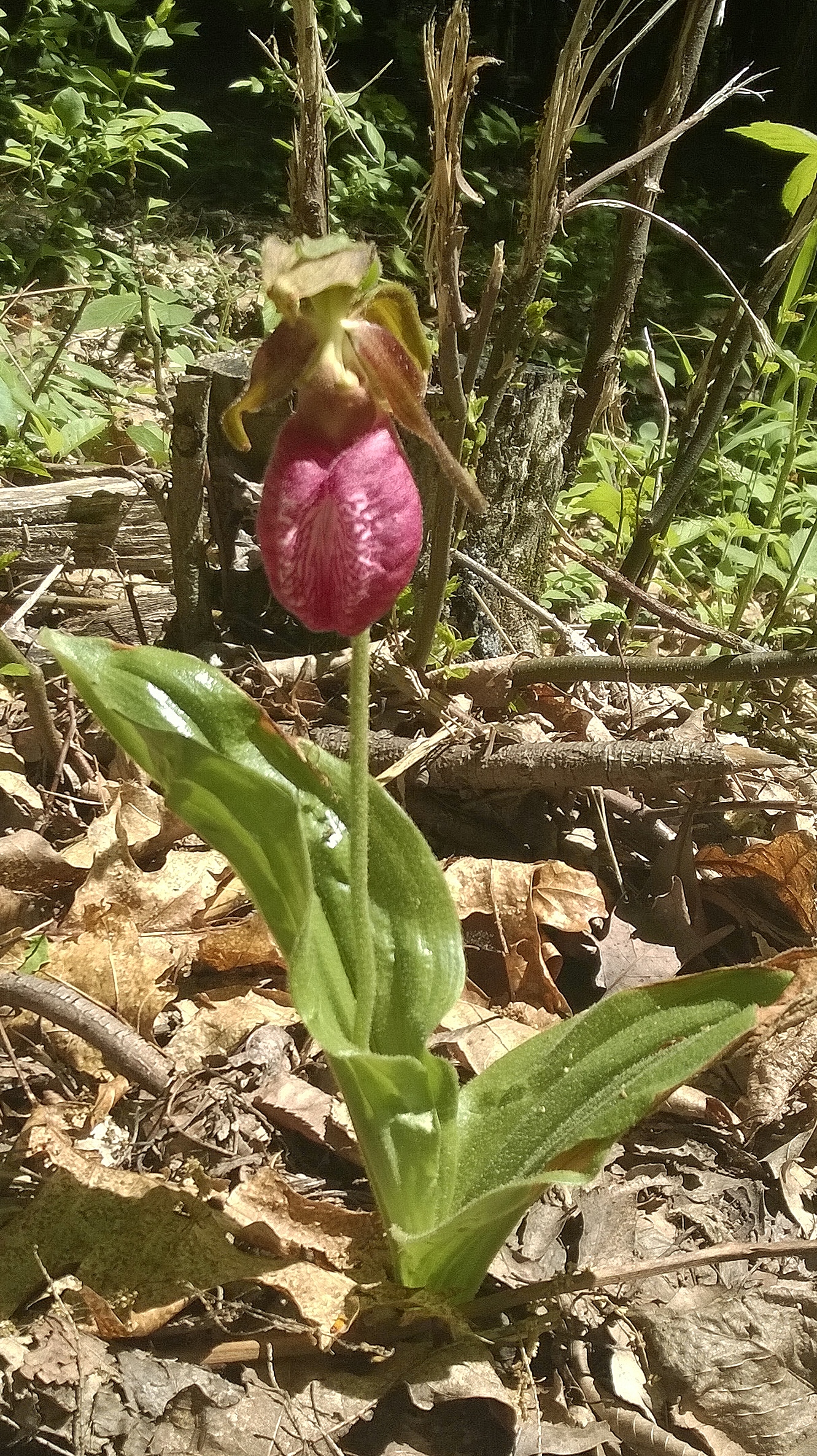
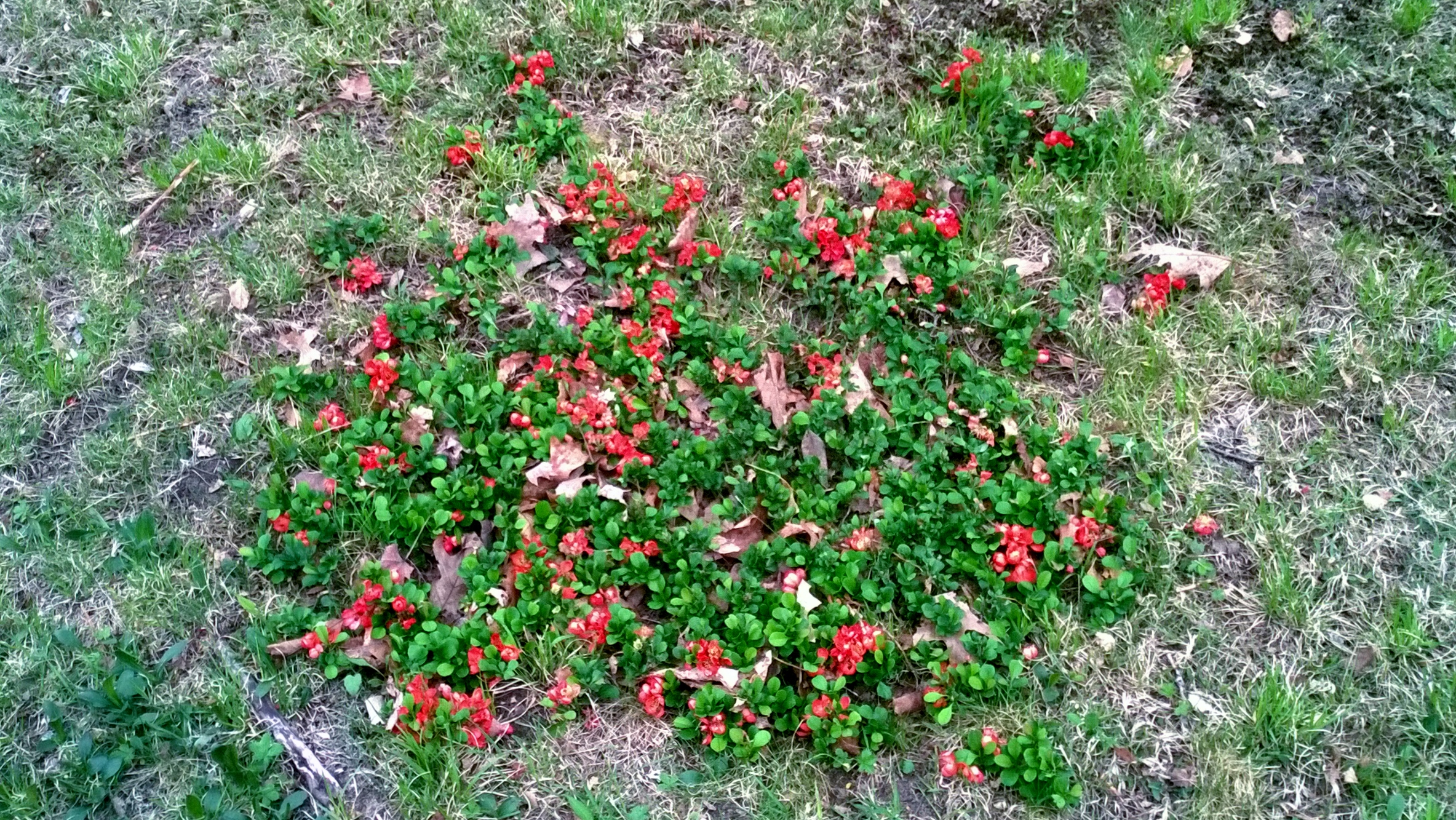
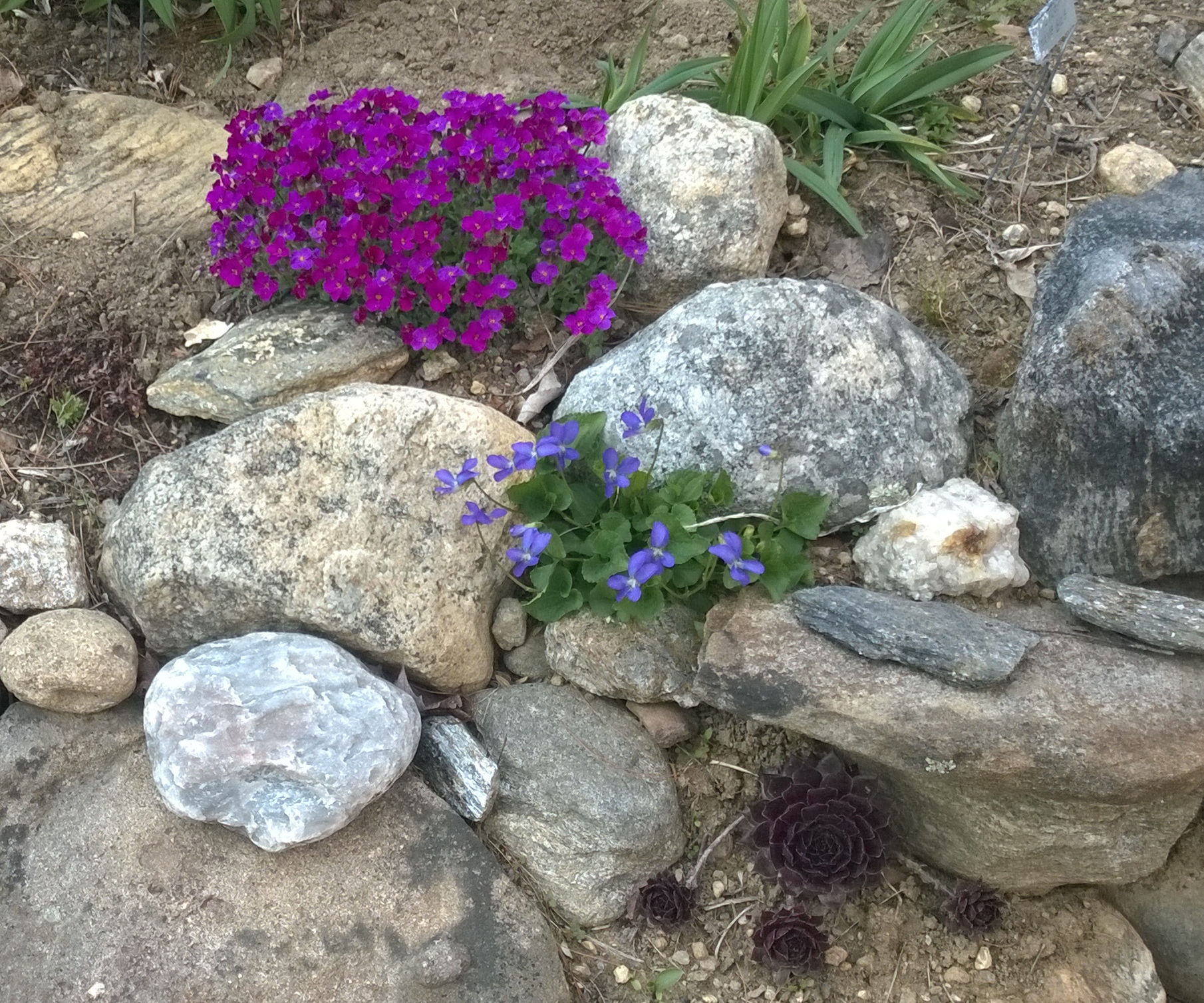
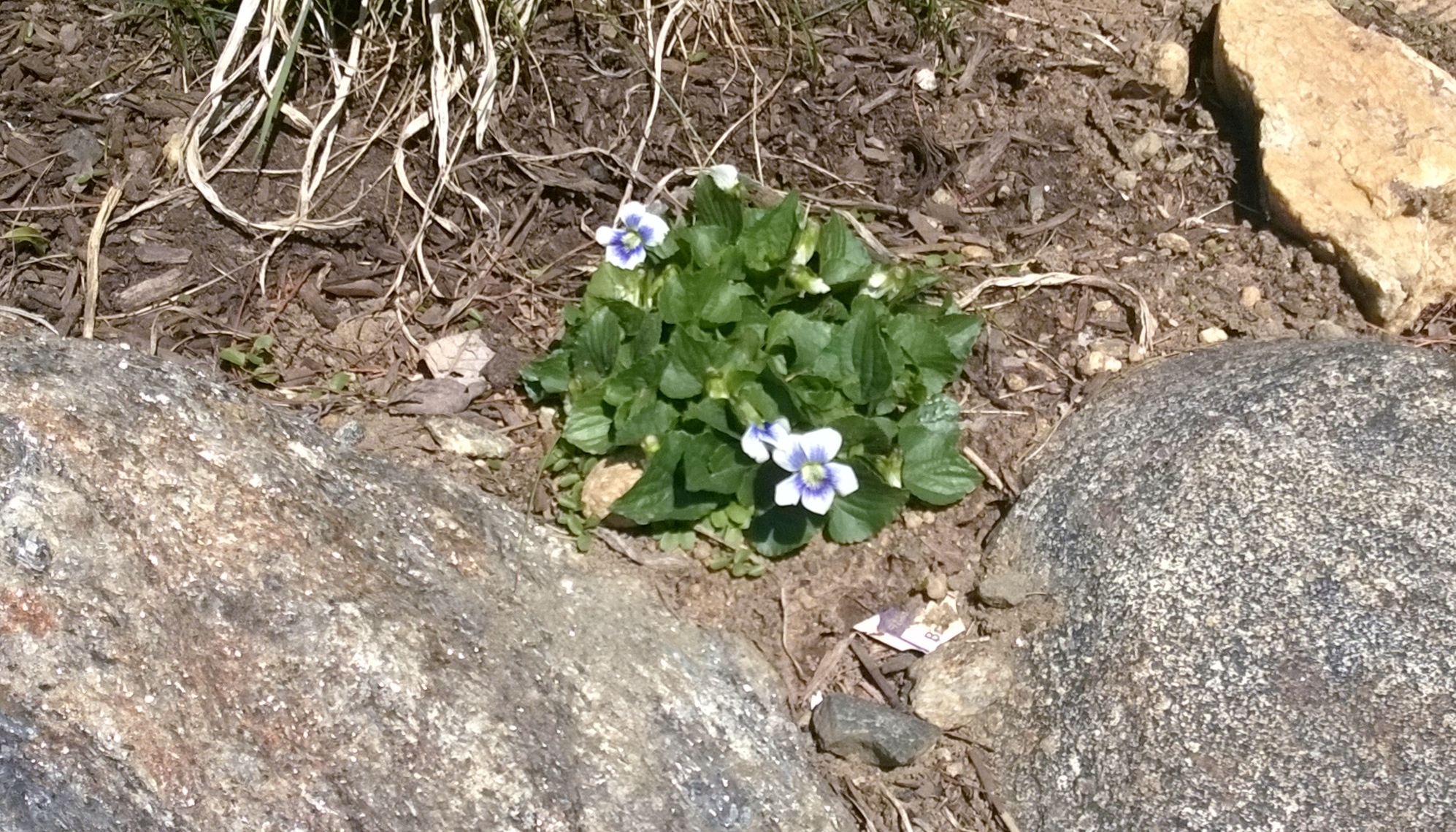
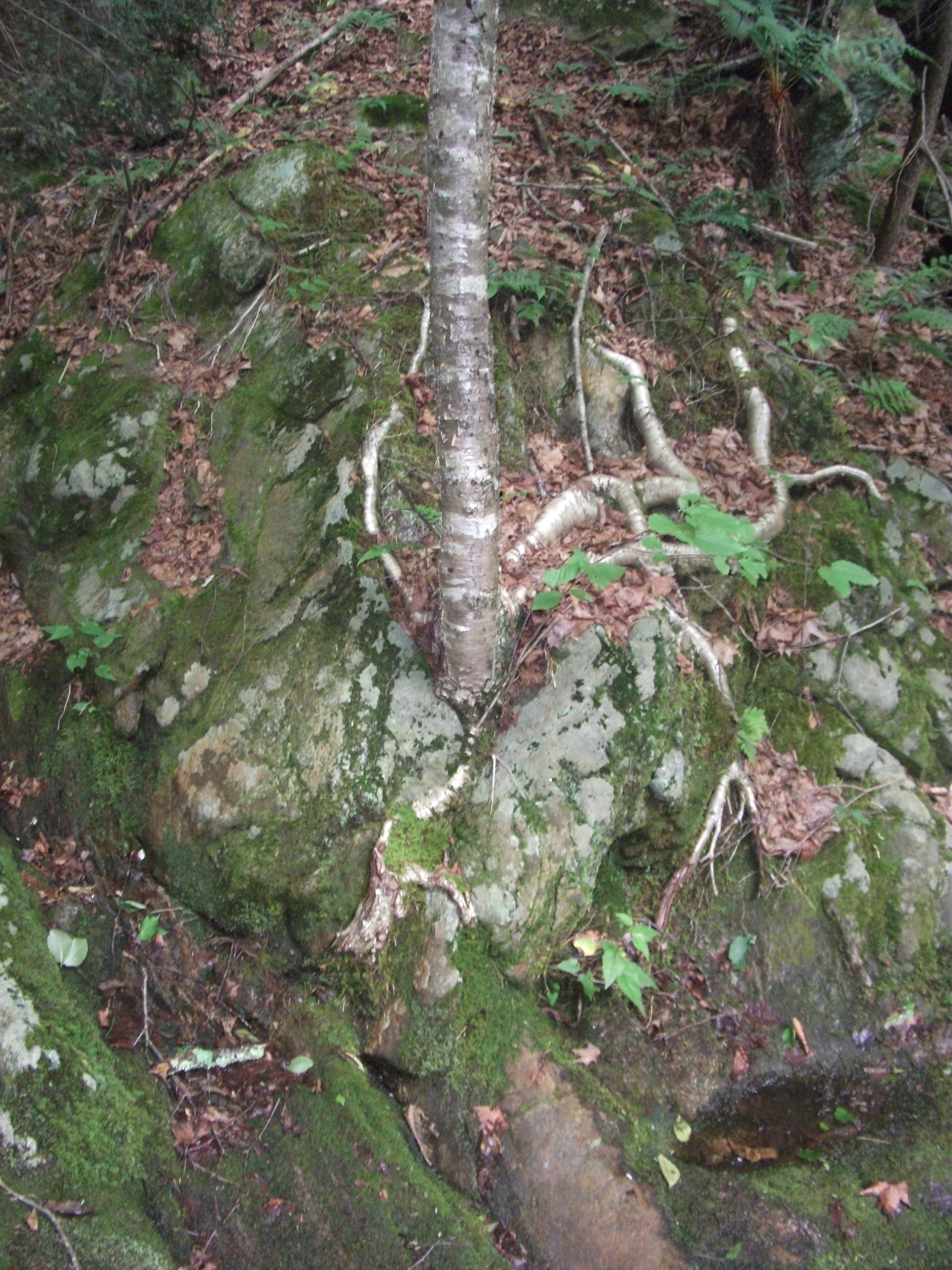
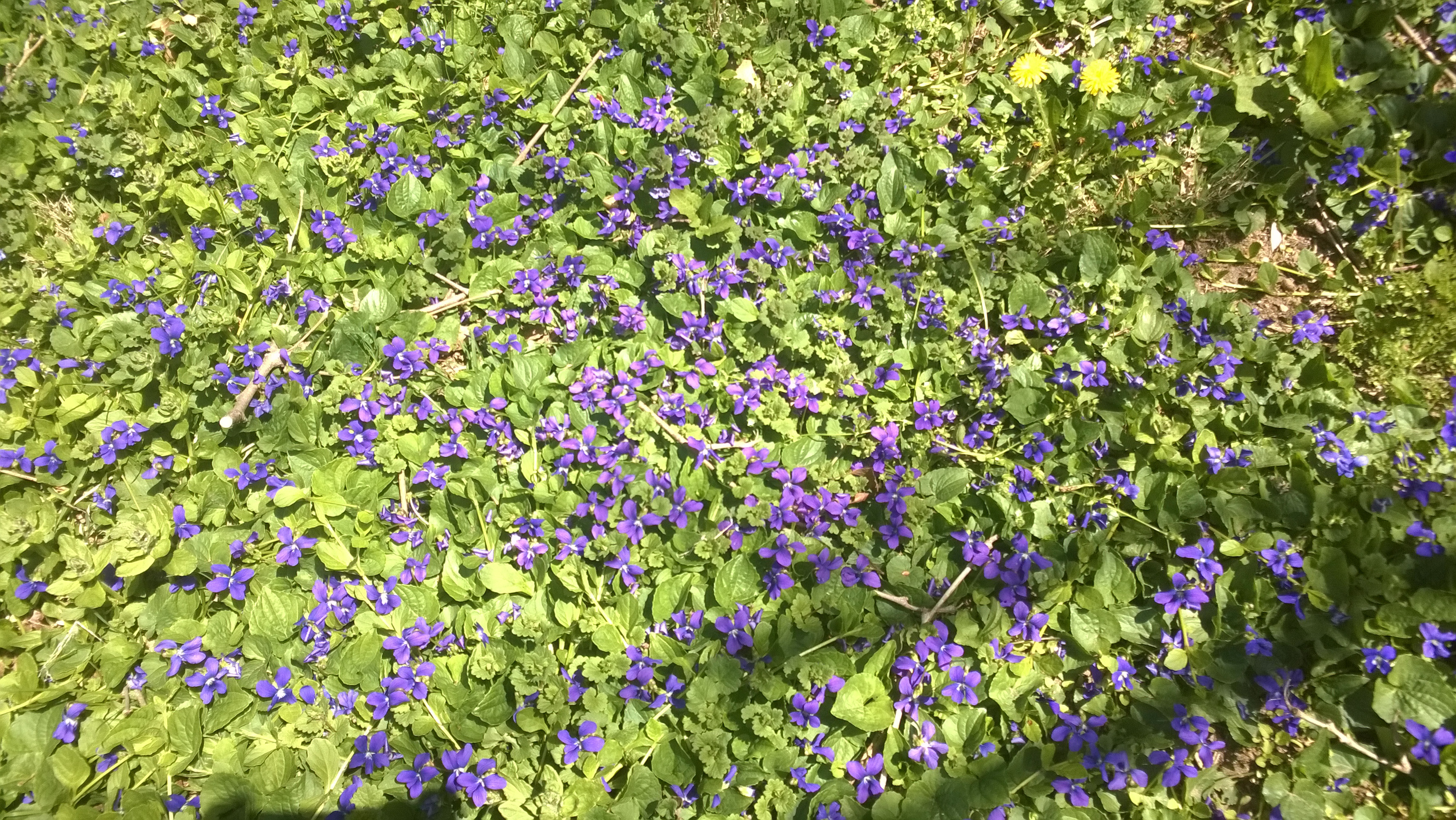
I’m posting a few pictures of things I’ve seen on walks, especially flowers found in unlikely places or trees growing in unusual forms. I call this gallery “Serendipities.”
I have advocated for some time that American Christians have an ongoing giving relationship with a reputable charity that helps in third world countries. When crises such the earthquake in Nepal happen, my wife and I know how we can help because of our continuing relationship as donors to World Hope International. We are fortunate to know both the founder of World Hope and also the current leader, John Lyon. We can’t give very much by ourselves, but every little bit helps and as we each do our part, the need is met.
This article is a rare gem. Rosaria Champagne Butterfield, former tenured professor of English, writes of her own conversion to Christianity and its effect upon her lesbian lifestyle. The best part of the article is her wise discussion of how genuine Christian discipleship changes our lives, conquers our sins, and enables us to live holy and healed lives. Though John Owen from whom she draws her conclusions lived a hundred years before Methodism was born, the four points she sets forth would make good Methodist theology too. Those who think homosexuality is congenital and unchangeable like race also need to read testimonies like this one since she provides personal evidence against both assumptions.
My heart is filled with grief at the picture of Muslims affiliated with IS lining up Christian Copts for martyrdom. My mind reels. In addition, religiously motivated shootings in Denmark and France are shocking as the specter of anti-Semitism appears. The potential in humans for barbarity is surfacing in several places. On another front, I am saddened also at the losses and broken promises in the war in Ukraine. One country invading another to take over more territory – sounds like greed in action, lightly covered under the pretext of a rebel cause. There is so much fanaticism and aggression!
Is there a word of wisdom for our warring world today? This morning I was reading James 3:13-18 and was impressed by it. It is a rebuke to the spirits both of fanatics who kill and to aggressors fulfilling their selfish ambitions. A popular paraphrase brings it down to a more personal level and warns, “Whenever you’re trying to look better than others or get the better of others, things fall apart and everyone ends up at the others’ throats” (James 3:16 The Message).
In New Testament times the fanatics were the Zealots. The word translated envy in this passage is the word for zeal that they used. The Apostle James warns that in contrast to hearts filled with bitterness and selfish ambition and behavior marked by evil, “true wisdom is the wisdom of peace not of violence” (IVP Bible Background Commentary on the NT). A person who is truly wise shows gentleness and consideration for others. They are merciful, impartial, reliable and straightforward in their dealings. Those who sow bitterness and violence reap bitterness and violence. But the harvest of peacemakers is joyful. I pray for wise peacemakers in our world.
Research has repeatedly shown that children of same sex relationships are at much greater risk in so many ways. Here is one of the more recent and largest studies to come up with that result. As a corollary, helping Mom and Dad keep together and do well as a couple needs to be one of the goals of the church’s ministry. If heterosexual marriage were doing better as an institution,there would be much less gender confusion in our culture.
“A new study published in the February 2015 issue of the British Journal of Education, Society, and Behavioural Science appears to be the largest yet on the matter of same-sex households and children’s emotional outcomes. It analyzed 512 children of same-sex parents, drawn from a pool of over 207,000 respondents who participated in the (US) National Health Interview Survey (NHIS) at some point between 1997 and 2013.
Results reveal that, on eight out of twelve psychometric measures, the risk of clinical emotional problems, developmental problems, or use of mental health treatment services is nearly double among those with same-sex parents when contrasted with children of opposite-sex parents. The estimate of serious child emotional problems in children with same-sex parents is 17 percent, compared with 7 percent among opposite-sex parents, after adjusting for age, race, gender, and parent’s education and income. Rates of ADHD were higher as well—15.5 compared to 7.1 percent. The same is true for learning disabilities: 14.1 vs. 8 percent.” from http://www.thepublicdiscourse.com/2015/02/14417/
That’s a great subject. It would make a great book title. A distinguished and successful pastoral leader I respect named Stan Toler has written a short blog article with four quick points that contain a great deal of wisdom. Here’s the link
As an added idea; if doing something for yourself also forwards a personal goal, you have a double win. For example, sometimes the time I take for myself is to take a long walk which helps with my physical fitness goals.
Question: One of my parishioners recently wrote me about a dilemma that is certainly common to all of us today.
“I received email from 6 organizations wanting donations from me today. This is pretty much a daily happening and it’s causing me mixed feeling. The question is how do I handle this situation? I have my pet charities; but I don’t feel I should support them all. Some of them do grab at my heart when it comes to children and animals, and even disabled or blind vets. The list is getting longer and I feel guilty when I discard them. This is not counting the many calls I get via phone – please give me some advice.”
Answer from the Pastor’s Desk:
It is unfortunately part of the modern world that we are able to receive so many calls for donations. As you mentioned, some come by phone and some by email, not to mention TV. Many come from automated mailing systems. I’m sure before long they will figure out how to send them in other ways as well. Even at church we have plenty of fund appeals. There are twin spiritual and emotional dangers. On the one hand, we can become overwhelmed by them and laden with guilt so that we hardly know what to do. On the other hand, and this may be even worse, we can become immunized by the barrage of them to the point that our compassion atrophies and we can no longer respond when we should.
Here is a strategy that I recommend that I believe will allow us to respond in compassion appropriately while protecting ourselves from overload.
1. Pray about where God is calling you to help.
2. Then choose a few charities that are very reputable and that deal with issues that are dear to your heart. Use your passion for issues and world needs as a guide. For example, if you feel strongly that you would like to eradicate cancer, then you might choose the American Cancer Society as one of your charities.
3. The number of charities you choose may depend on your means but for most people, I think it will probably be from 3-6. Keep the list small enough so that you can respond occasionally to all of them every year. Don’t worry if you don’t respond to every call. I don’t think anyone does that. Most of us can’t. Married couples may decide to each add some favorite ones to a joint list or they may each have their own.
4. Your local church will likely be your number one charity.
5. I recommend that all Christians in developed countries like ours include at least one charity that ministers to needs in the third world in their list. It might be UMCOR or World Hope (the one JoAnne and I have chosen), or Samaritan’s Purse or World Vision, for examples (Gal. 2:10).
6. Consign all other email solicitations ruthlessly to the junk email box. For most of the repeated ones, you can get your browser to do this for you before you even see them. Trash both email and snail mail from other charities without even opening it.
7. For phone calls, tell the person up front if their charity is not on your list and if they won’t take “no” for an answer, they deserve a hang-up.
8. The fact that you are obeying God in generosity to the charities you have chosen helps you to not feel guilty in disregarding the others. Seek to be at peace with your level of giving. God does not want you to feel burdened with guilt about it but to be a joyful giver (2 Cor. 9:7).
9 Follow faithfully the charities that you have chosen, allowing God to use you to help them. Read their materials and become knowledgeable about them.
10. Annually evaluate your overall participation in your chosen charities. If you do taxes, that is a natural time to evaluate. Your ultimate goal as a Christian steward is God’s well-done for your handling of the wealth he has entrusted to you. A term that I have found helpful in measuring my response is to ask whether or not I have been generous. God loves generosity and his economy rewards it. As the Proverb says, “The generous will themselves be blessed” (Pr 22:9 NIV 2011).
My wife challenged me on Facebook to list the top ten books that have influenced my life. I don’t necessarily take up every Facebook fad. But this one I consider a very thoughtful and potentially helpful exercise. One of the proverbs I heard along the way is “Leaders are readers!” I agree totally. This challenge is also in keeping with one of the goals of my blog, to record the books I have read and comment on them. So here goes:
The Holy Bible – KJV Thompson Chain Reference. I was given this for Christmas by my parents when I was about 12 years old. It represents the Bible-learning culture in which I was raised. It was my earliest textbook for studying the Bible. I still treasure it and use it occasionally.
The Holy Bible – NIV 1984. This version of the Bible became the translation that I read day after day, the version that molded my mindset and helped me communicate the Gospel to a generation that had never heard of King James of England, nor did they understand his language. Now I read and use the 2011 NIV since I follow the Reformation principle that the Bible must be in the language of the people. But the 1984 version will always be in my heart.
Growing Spiritually – E. Stanley Jones. I was in seminary, I think, when I read this devotional classic. I was captured and challenged by the practical Wesleyan theology, poignant illustration from life, and excellent thinking by one who has become one of my favorite devotional writers. This book prompted a definite step forward in my own spiritual growth.
Developing the Leaders around You – John C. Maxwell. During my first pastorate I began to be mentored by the speaking and writing of John Maxwell. I didn’t know how much I needed it. I now have a dozen of his books that I have read and I still consider this one among his very best. I also have a shelf full of others on the topic of leadership. This book started me on a whole different journey of not just doing well myself, but enabling others to do well. This intentional focus as well as trying to teach church leaders to do the same has added untold dimensions to my ministry and extended its effectiveness many years. It has enabled me to be a factor in launching or enhancing the ministry of many others too.
Communication: Key to Your Marriage – H. Norman Wright. With this book there was a companion volume The Pillars of Your Marriage. They were not deep, but they were practical. They were intended for class use and included discussion questions too. I interacted with these books and other similar ones at a time in our marriage when I desperately needed to learn more about how to have a successful marriage. They were very helpful both to me personally and in my ministry over the years to others.
Secrets of the Vine – Bruce Wilkinson. Sometimes you are looking for books that will prod spiritual renewal in your life. This is such a book. I have now read the book at least three times. The first time I read it, I wrote in the cover, “I finished this book today…it was a life-changing experience.”
The 21 Irrefutable Laws of Leadership – John C. Maxwell. This is John Maxwell’s classic. It has helped me immensely to understand leadership and learn to practice it. I am still learning and growing. This book confirmed for me that leadership is one of the three most essential areas of understanding/preparation needed by pastors. (The other two are preaching/teaching and counseling/personal work.)
Fresh Faith – Jim Cymbala. One of the areas I needed to grow spiritually as a pastor was faith. Reading Jim Cymbala’s testimony-laced books is one of the ways God has helped me to do that. It is challenging and inspiring to read what God is doing at Brooklyn Tabernacle and it makes one pray for greater faith.
Just Walk Across the Room – Bill Hybels. Another of the great mentors for pastors today is Bill Hybels. This book is among his best. It is such a practical and everyday approach to reaching other people for Jesus. I think it is evangelism as it was meant to be. It has helped me to look for opportunities daily to be a blessing for Jesus’ sake.
The Purpose Drive Church – Rick Warren. I had already been a pastor for 15 years when I read this book. I immediately said that it was the best book on how to do church that I had ever read. As far as I am concerned, it has not had a rival until Andy Stanley’s Deep and Wide came out in 2012. Warren helped me to understand that discipleship was crucial and that I needed to help people step by step to move closer to the church as a part of their spiritual journey.
I’ve read so many books over the years that I can’t be sure I haven’t missed one somewhere. I reduced my library by more than half when I moved in 2013 and I still have four floor-to-ceiling bookshelves full in my office. I have tried to choose books for my top ten that represented important areas of reading. The best books often prompt us to read more by the same author or more in that subject area. All of these books have done that. And I keep buying new books and reading more. I admit that the time I now spend on social media has cut into my reading time, but it has not eliminated it. I am still completing new books! How about you?
There is always a bright spot if you are looking for one.
This afternoon I took a walk up Broad Hill Road and on up the hill. I turned left into the Holcombe Farm trails and took the High Ridge Trail. I wasn’t feeling tops, but I have found that pushing myself to walk when I am not feeling spunky often helps me in the long run. There was not a lot to see in the early spring woods. I had to watch my footing as the trail was muddy in places from small springs. But I had my trusty hiking staff to keep me steady. I always keep my eyes open and today I was especially looking for spring flowers. After all, it is May and the old adage says, “April showers bring May flowers.” I was not disappointed. On my way to the woods, I had seen red trilliums in two different gardens but I did not find any yet in the woods. However I did find a beautiful little rock garden type plant growing in the path and among the mosses. It seemed to be a more dainty version of a plant I had recently planted in my own rock garden.
I was nearly back to the beginning of the High Ridge Trail when I almost stumbled over a fallen but still intact bird’s nest. It was too small to be a robin’s nest, built of different materials, and more neatly built too. I wasn’t sure if the white material in it was some kind of fine bark or lichen. I took its picture to record another find of interest on my path. Finds like this are why I prefer outside walks to inside treadmills any day, even though I might get rained on occasionally as I did today before I got home.
A well built nest at the base of a tall forest oak
I guess my walk is another illustration of how we seem to find things of interest if we are alert and looking. Just becoming an observer of nature would cure boredom for many people, I’m quite sure. I derive so much pleasure on my walks from observing different aspects of the natural world that I have taken time over the years to learn a little about –rocks, trees, birds, wildflowers, ferns, mushrooms, and animals all provide something fascinating regularly. I’m afraid many people don’t notice much. I haven’t always either.
I think the habit of looking for interesting and beautiful things in nature helps us also to get in the habit of looking for good things in all of life. We all know that if we look for trouble, we find it; and if we look for good things, we will find them too. Noticing things we can rejoice and give thanks for gives us a healthy sense of anticipation and keeps our spirits up every day.
“Every good and perfect gift is from above, coming down from the Father of the heavenly lights, who does not change like shifting shadows” (Jas 1:17 NIV).